Fashion marketing: 7 steps to grow a fashion brand
Creating a beautiful collection is half the job. Fashion marketing handles the other half: showing that collection to the right person, at the right time, with the right feeling.
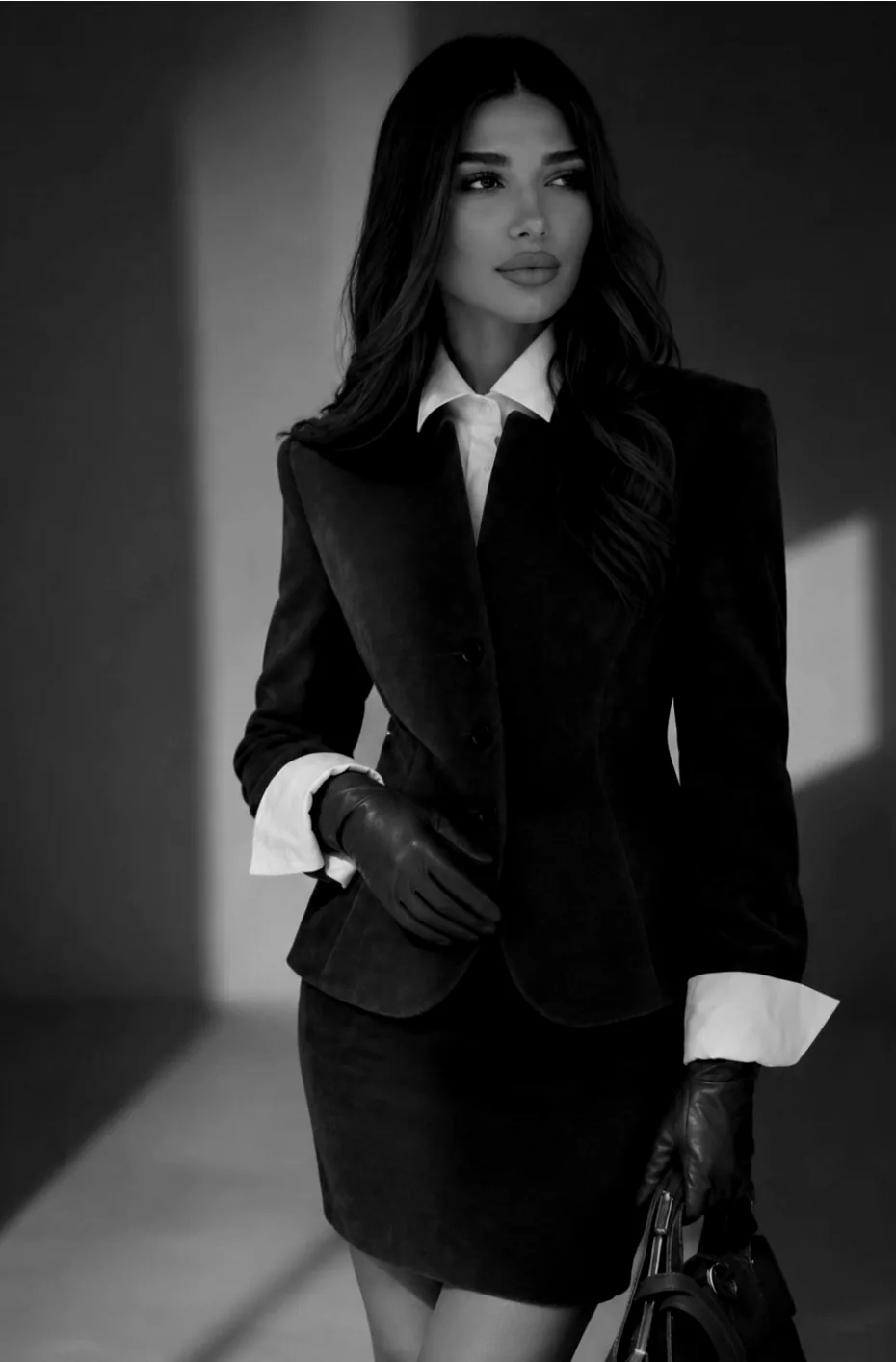
Fashion marketing starts once the collection is made, yet it decides the fate of every sale. In this article we explain what it is, how it differs from ordinary marketing, and how to grow a fashion brand step by step, with a focus on the Azerbaijani market.
What is fashion marketing?
It is the strategy that brings the story, aesthetic and products of clothing, accessory and designer brands to their target audience. It covers brand identity, content production, social media, advertising, influencer partnerships, events and sales channels.
In fashion, you never sell just a product. People buy a style, a lifestyle and a feeling. That is why successful promotion in this industry shows who the brand is, rather than listing product features.
How is it different from ordinary marketing?
- Visuals come first. The quality of the photo, the light, the model and the colour palette directly affects sales.
- Seasonality. Collections change with the seasons, so the campaign calendar has to be planned in advance.
- Emotional decisions. Buyers often purchase out of desire, not need. Story and feeling beat rational arguments.
- The speed of trends. A format that works today may be outdated tomorrow. A brand has to follow trends while keeping its own face.
7 steps to grow a fashion brand
1. Define your brand identity
Who is your brand for? What values and style does it stand for? Logo, colours, typeface and tone of voice must be consistent everywhere. Without a clear identity even the most expensive advertising looks scattered.
A practical test: describe your brand in one sentence without the words "quality" or "style". If it could describe any other label, keep working. Then put the basics into a short brand book: logo versions, colour codes, fonts and photo mood.
2. Know your audience precisely
"All women" is not an audience. Build 2–3 personas by age, income, interests and shopping habits. Both your content and your ads should speak to these personas.
For each persona, note where she discovers brands, what makes her hesitate and which occasions she shops for. A bride-to-be and a young professional need different messages, even when they buy from the same collection.
3. Produce professional visual content
Lookbook shoots, collection campaigns, behind-the-scenes videos and product photos are the foundation of any fashion brand's promotion. It is hard to sell at a premium price with a random phone photo. A fashion photo shoot shapes the brand's visual language in one go.
Plan each shoot around a shot list. One session can cover campaign images, catalogue product shots, vertical clips for Reels and fabric close-ups, so a single day feeds your content for weeks.
4. Run Instagram and TikTok as your shop window
In Azerbaijan, fashion buyers usually discover a brand on Instagram first. Your profile is an open shop window: a consistent visual style, prices and size info in highlights, regular Reels and a clear contact button. Official tips are collected on Instagram for Business.
5. Partner with influencers and stylists
The right influencer introduces your brand to a ready audience with built-in trust. Look at audience fit and real engagement, not just follower count. More here: influencer and UGC marketing.
Before agreeing, ask for audience insights and read recent comments to check that real people respond. Agree in writing on format, deadlines and how the partnership will be disclosed. Wikipedia's overview of influencer marketing gives useful background.
6. Launch measurable ad campaigns
Use Meta (Instagram/Facebook) ads to show a new collection to the right audience, and bring back people who viewed your profile or website with retargeting. Set the goal (sales, messages, visits) and the success metrics before every campaign. Specific strategies for retailers: clothing store marketing.
Start with a modest test budget and two or three creatives, such as a model video, a carousel and a styling tip. Keep the winner, pause the rest and change one element at a time.
7. Measure and improve
Which post brought sales? Which ad message delivered the cheapest enquiry? Marketing without numbers is guesswork. Set up a monthly reporting and analysis routine.
A one-page monthly report is enough: reach, profile visits, messages, sales, cost per enquiry and the three best posts, plus a note on what to repeat or drop.
Example: a small designer label before a new collection
Imagine a Baku designer preparing an autumn capsule. Six weeks before launch, she fixes the message and persona. Four weeks before, the team shoots the lookbook and videos in a single day. Two weeks before, teaser Reels start and two stylists receive pieces to wear. On launch day, ads target followers and video viewers. A month later, the report shows what worked and shapes the next capsule.
Fashion marketing in the Azerbaijani market
In the local market, a large share of sales still happens through Instagram Direct and WhatsApp, so reply speed and a sales script matter as much as the ads. Local seasons such as the wedding season, Novruz, New Year and back-to-school belong in the campaign calendar. Publishing content in both Azerbaijani and Russian widens your audience.
A quick pre-launch checklist
- The brand message fits into one clear sentence.
- Product photos, campaign images and vertical videos are ready.
- Prices, sizes and delivery terms are visible in highlights.
- Each ad campaign has one goal and agreed metrics.
- The date of the first monthly report is in the calendar.
The most common fashion marketing mistakes
- Spending on ads before the brand identity is clear.
- Hiding prices and keeping customers waiting with "DM us".
- Copying every trend and losing the brand's own face.
- Choosing influencers by follower count alone.
- Not measuring results.
Frequently asked questions
How long does fashion marketing take to show results?
Ad campaigns can bring enquiries within the first weeks, but brand awareness and steady sales usually take several months of consistent work.
Does a small fashion brand need fashion marketing?
Yes. For a small brand the right marketing matters even more, because a limited budget requires every manat to be spent in the right place.
What does a fashion marketing agency do?
An agency builds the strategy, produces content, manages social media and ads, and reports on results, so the brand can focus on design and product.
Let's grow your fashion brand together
Alizada Fashion Marketing Agency is a marketing agency that works only in fashion. From brand strategy to campaign shoots, from Instagram management to advertising, we run the whole process as one team. See our services or get in touch.