Dior's "New Look": the return of the female silhouette after the war
A collection shown in Paris in February 1947 radically changed the female silhouette after the frugal clothing of the war years.
During the Second World War fabric was scarce. Women's clothing was cut short, straight and as economically as possible. Paris risked losing its position as the capital of fashion. At just such a moment, Christian Dior's first collection changed everything.
12 February 1947
Christian Dior showed his first collection in Paris on 12 February 1947. When Carmel Snow, editor-in-chief of Harper's Bazaar, saw it, she said it was an entirely new look. The press picked up the phrase, and the collection went down in history as the "New Look".
The Bar suit and a new silhouette
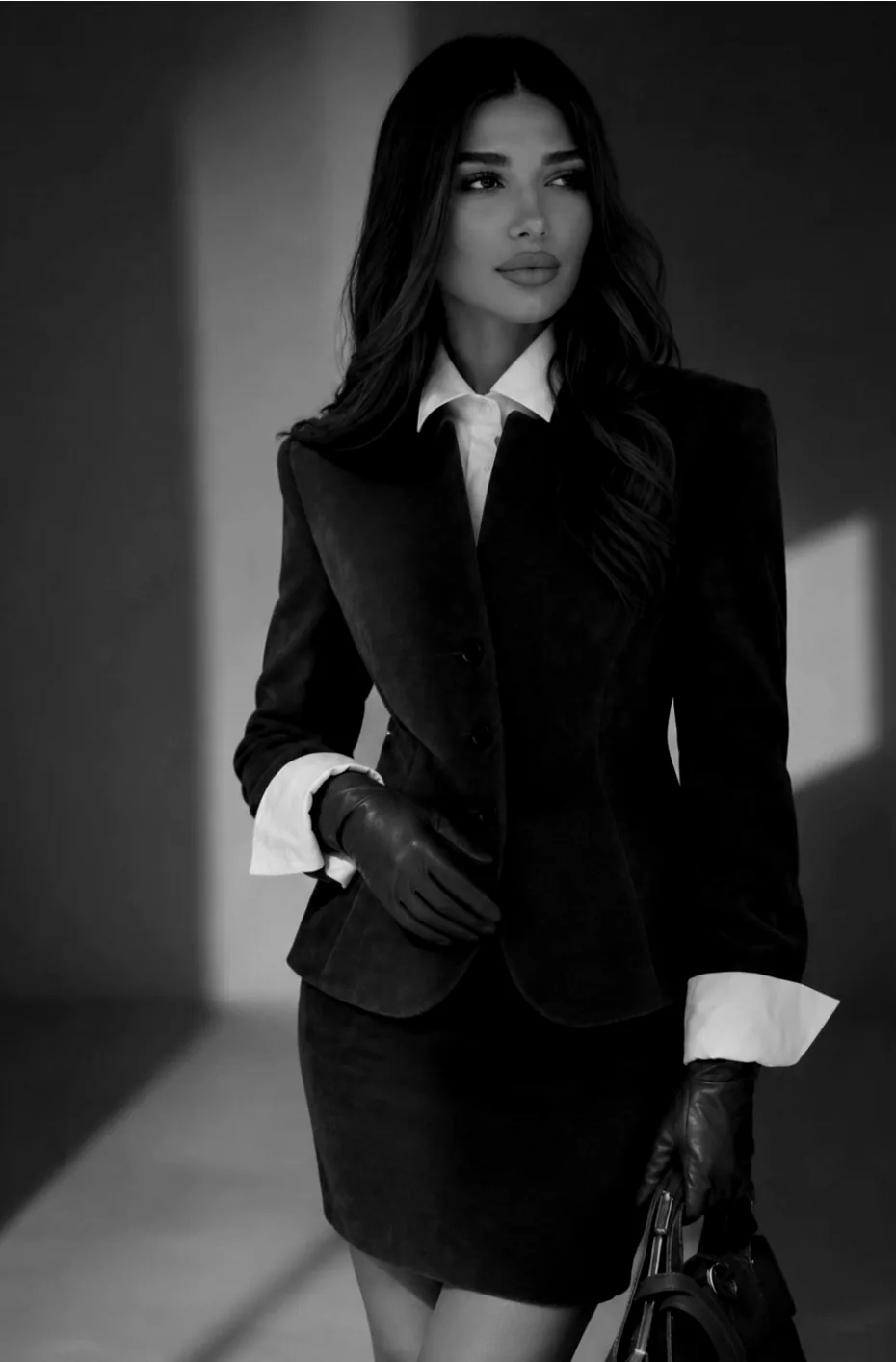
The collection's symbol was the "Bar" suit: a soft-shouldered white jacket emphasising a narrow waist, over a wide, pleated black skirt reaching mid-calf. The silhouette recalled an hourglass:
- Soft, rounded shoulders (the opposite of the sharp, military shoulders of the war years).
- A very narrow waist.
- A full, long skirt: some designs used metres of fabric.
Excitement and criticism
Not everyone applauded the New Look. At a time when fabric was still scarce, using so much material seemed wasteful to some. Some women saw the return to corsets and heavy skirts as a step backwards. Even so, the collection's impact was huge and it defined the female silhouette of the 1950s.
Paris back at the centre
The New Look helped Paris regain its standing as the centre of world fashion. The Dior name quickly became an international brand, and the fashion house expanded over the following decades into licences, accessories and perfume.
What is haute couture?
The New Look was a haute couture collection. Haute couture is a protected term in France for high-fashion garments made by hand to the client's measurements and taken through many fittings. These garments are made for very few people, but their influence spreads across the whole industry: mass manufacturers repeat the silhouettes, lengths and details in more affordable versions.
That's what happened with the New Look. Within a few years the narrow waist and full skirt had spread across many countries — to shop rails, sewing magazines and even home-sewn dresses.
The long life of a silhouette
In the following years Dior presented new lines every season and gave his silhouettes letter names: the H-line, A-line and Y-line. This naming made the collections memorable for both press and buyers. The term "A-line" is still widely used in fashion today.
This example shows that naming a collection, building it around one idea and explaining that idea simply matter as much as the design. People forget details, but they remember a good name and a clear idea.
Traces of the New Look today
Even today, corset-detailed jackets, an emphasised narrow waist and midi skirts regularly return to the runways. Looking at fashion history helps designers and marketers read trends better: much comes back, just in a new context.
A lesson for fashion brands
The New Look's success wasn't just about beautiful design. Dior sensed the mood of the times: people weary of war wanted to return to femininity, elegance and a sense of celebration. The collection answered that emotion.
When planning a new collection, look not only at trend lists but at your audience's mood. What do your customers feel this season: comfort, boldness, calm, celebration? A campaign is stronger when the collection's name, shoot concept and ad copy speak to that emotion.