From kalaghai to chukha: Azerbaijani national dress in modern fashion
The kalaghai is on UNESCO's list of intangible heritage. Elements of national dress are a strong, distinctive source of inspiration for local brands today.
Every country's fashion is rich with its own history and clothing traditions. Azerbaijan's national dress, with its colours, ornaments and symbolism, is an endless source of inspiration for modern designers.
The kalaghai: symbolism that lives in silk
The kalaghai is a traditional women's silk headscarf decorated by block printing. Its best-known centres are places with a silk-making tradition, such as the village of Basqal in the Ismayilli district and the Shaki region. The patterns — especially the buta motif — are stamped onto the fabric with wooden blocks.
The kalaghai's colours carried meaning too: different colours were worn on different occasions, such as joy, weddings, mourning and everyday life. In 2014 the art of the kalaghai and its symbolism were added to UNESCO's Representative List of the Intangible Cultural Heritage of Humanity.
Arkhalig, chukha and papakh
- Arkhalig: a fitted outer garment that flares out below the waist. It existed in both men's and women's versions.
- Chukha: a men's outer garment, often with cartridge pockets (vaznalik) on the chest.
- Papakh: a men's hat made of sheepskin, regarded as a symbol of a man's honour.
- Decoration and embroidery: embroidery in gold and silver thread, buttons and belts showed the status of the garment.
Buta: the most recognisable ornament
The buta motif is one of the most widespread patterns in Azerbaijani carpets, embroidery and kalaghais. Today it is related to the pattern known in international fashion as "paisley" and is easily recognised in both national and global design language.
National elements in modern fashion
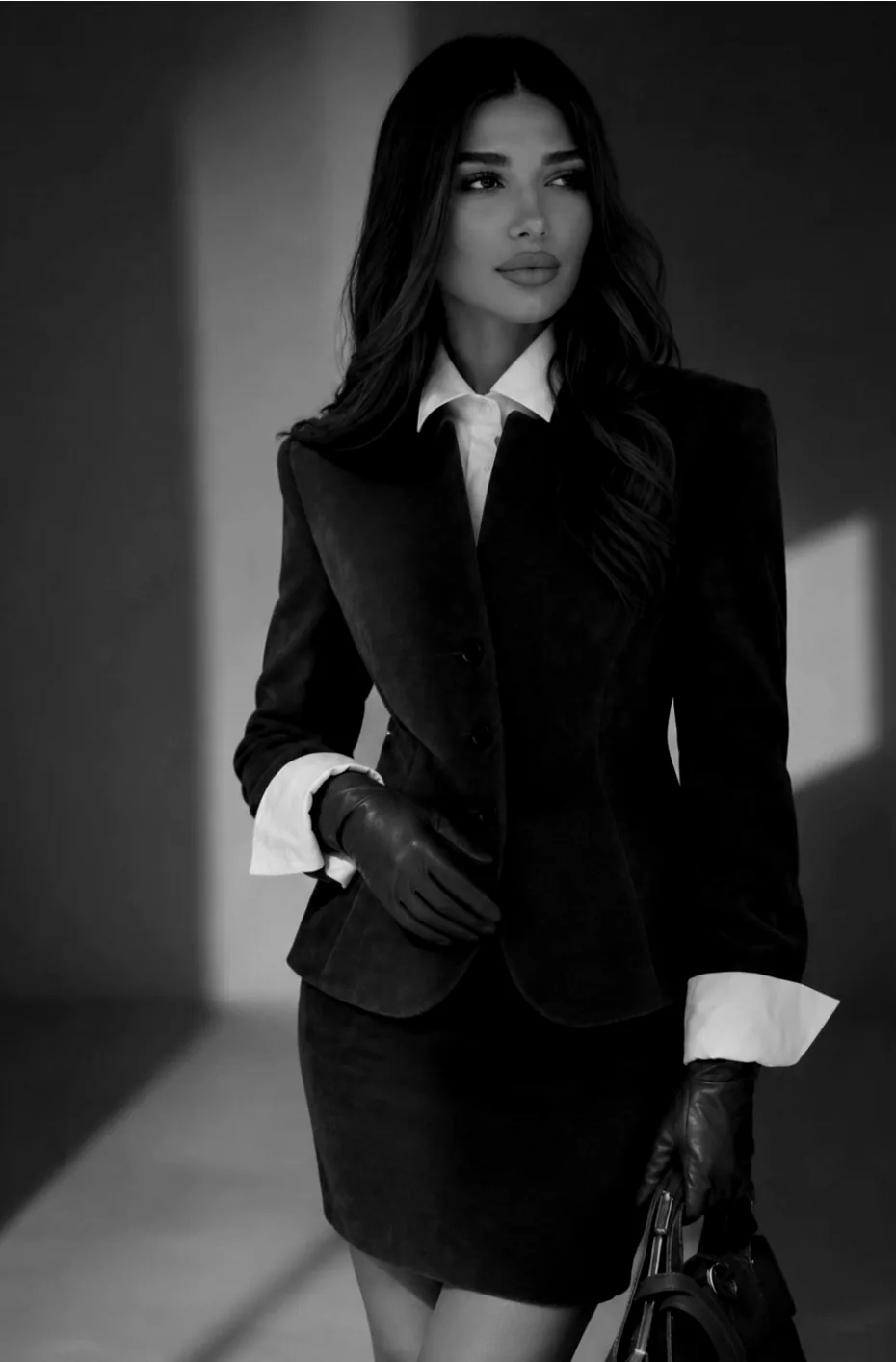
In recent years both local and international designers have brought elements of national dress into modern collections: scarves and blouses with kalaghai patterns, jackets inspired by the arkhalig silhouette, accessories with the buta motif. The main challenge is balance: the element should be recognisable, but the garment should look everyday and modern, not like a costume.
The language of ornament
The patterns used in Azerbaijani clothing and textiles were often not random decoration but a symbolic language. The buta, geometric figures and plant motifs varied by region, by craftsperson and by the garment's purpose. The same motif repeated in different forms in carpets, embroidery, kalaghais and jewellery. That unity is what makes the national aesthetic recognisable.
For modern design this is a great resource. Instead of copying an ornament as it is, simplifying it, changing its scale or using it only in one detail (a lining, button, belt or embroidery) makes a garment both modern and local.
Local production and craftsmanship
The kalaghai and silk-making tradition is not just design but a culture of production: preparing the silk, dyeing, block printing. A brand that works with local artisans gets a high-quality, unique product and a strong story for content: the workshop, handwork, process videos.
The gift and tourism segment
Products with national elements are especially strong in the gift and tourism segment. For tourists and Azerbaijanis living abroad, a scarf or accessory with a kalaghai motif can become not a souvenir but a fashionable piece they actually wear. For this segment, packaging, a short explanation card in English and the option to order online directly affect sales.
A lesson for fashion brands
It's hard to compete with global brands on price and volume. Competing on story is possible. A capsule collection thoughtfully inspired by national heritage gives a brand a distinctive voice, gift value for tourist and diaspora audiences, and a story worth writing about for the press.
When presenting such a collection, treat the source with respect: tell the meaning of the ornament, the artisan's work and the place of production in your content. That story raises both the product's price and its value.